The Archive of utopian Change
Period: September 2024 to August 2026

Sarah Wenzinger, Sarah Afua Asante Ntiamoah
Artistic solidarity research with pupils of the Sophie-Brahe-Gemeinschaftsschule in the Spreepark
As part of the Regional Residency at Spreepark Art Space, the artist collective wild seed (Sarah Wenzinger and Sarah Afua Asante Ntiamoah) developed a two-year artistic research project together with students from Year 9 and later Year 10 at Sophie-Brahe-Gemeinschaftsschule, within the art class led by Nadine Wünsche.
wild seed – The Archive of Utopian Transformations explores Spreepark as a living place in constant transformation. At the centre of the project are stories, knowledge, themes and actors that are often overlooked in everyday contexts: children and young people, non-human beings, plants, animals, fungi, forgotten objects, materials and spaces.
Rather than understanding an archive as a collection of the past alone, the project creates an archive of change and possible futures for Spreepark – a solidaristic archive that makes space for those who are often without a voice or place within conventional narratives.
Research approach
In conventional urban planning and development processes, children and young people, as well as non-human beings, disused places and forgotten objects, often share a common experience: they are rarely heard and have limited opportunities to participate in decision-making. The redevelopment of Spreepark, with its focus on community participation and sustainability, offers a unique starting point for long-term artistic research. wild seed works from this perspective, accompanying and documenting how Spreepark grows and changes over the course of two project years together with the students.
Through methods of artistic research, spatial practice, ceramics, cooking, design and situated knowledge, the project explores different ways of engaging with the park and its surroundings. Through workshops, walking-based research, artistic practices using photography, sound, zines, wood, clay and collage, playful forms of mapping and measuring, collecting, critical sorting and collective cooking actions, the Archive of Utopian Transformations gradually
Implementation and Project Spaces
The research process was organised into different research clusters. Each cluster explored specific questions, materials and methods and concluded with a shared Archive Kitchen: an open format involving collective planning, cooking, baking, eating and exchange. In close collaboration with the Spreepark Art Space team, students visited exhibitions and engaged in regular exchanges about artistic practices and approaches. The entrance foyer of Sophie-Brahe-Gemeinschaftsschule became a temporary archive throughout the project. Traces, artworks and formats developed by the students were presented in changing arrangements, making the ongoing research visible to the wider school community and neighbourhood.
The knowledge and experiences gained through artistic research in urban natural environments were also shared through a teacher training session with Sophie-Brahe-Gemeinschaftsschule. The Spreepark Atelier, created at Sophie-Brahe-Gemeinschaftsschule as part of the residency, will remain as a long-term space for artistic research, free creative practice, neighbourhood exchange, situated knowledge and curiosity.
Research Clusters
THE PERFECT PLEASURE
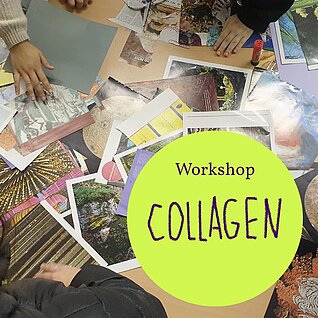
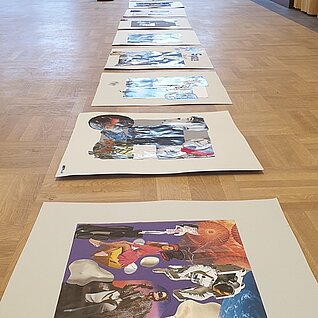
This cluster explored the stories, memories and meanings of Spreepark as a place of pleasure and leisure. Through participatory interviews, walks through the park, explorations of its history, large-scale collages and collective cooking and sharing in the Archive Kitchen, new perspectives on past and future forms of joy, community and recreation emerged.
COLLECTING AND ARCHIVING
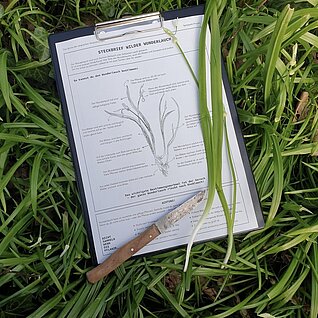
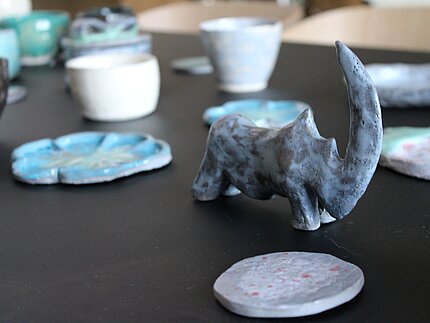
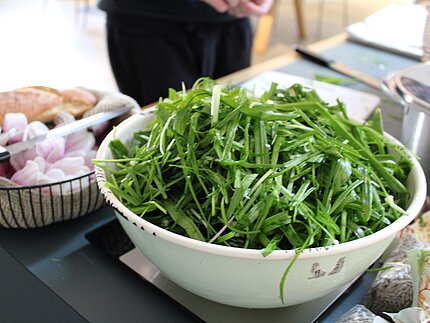
What is valuable and worth preserving? Starting from this question, students explored different forms of collecting, preserving and valuing. They created ceramic objects for safeguarding meaningful items, engaged in collection research and visited archives in Berlin. The edible plants of Plänterwald were also collected, investigated and shared through collective preparation and eating in the Archive Kitchen.
HIDDEN REALITIES
This cluster focused on hidden stories, traces and new perspectives on Spreepark. Through experimental photography, students explored overlooked details, unexpected connections and invisible aspects of the site, making hidden realities visible.
THE PERFECT PAUSE
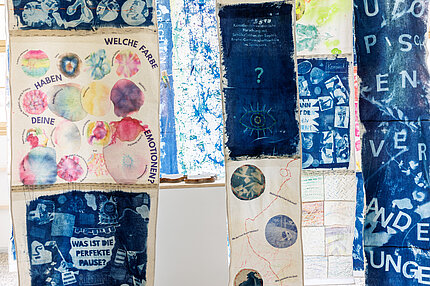
Pause was explored as a political, physical and artistic question. Using methods such as watercolour, movement, slime-making, cooking, making pause biscuits, cyanotype, meditation and collective conversations, students reflected on what people need breaks from and who has the ability or permission to take them. During a project week with Sarah Afua Asante Ntiamoah, these investigations developed into a card set for researching and reflecting on the idea of pause.
SPREEPARK ATELIER PRACTICE
The Spreepark Atelier is an open studio space on the third floor of Sophie-Brahe-Gemeinschaftsschule. Here, students were able to work independently and freely with different materials, including ceramics, oil and acrylic painting, three-dimensional collage and drawing. The atelier provides space for individual artistic processes and will continue to exist beyond the duration of the project.
THE FUTURE GROWS AT THE EDGES
This cluster focused on the non-human and plant life of Spreepark. Through herbarium-making, cyanotype, plant printing, shadow painting and the creation of brushes made from materials found in Spreepark, students developed new ways of engaging with their surroundings. A “weed ice bar” playfully opened up alternative perspectives on plants that are often overlooked. Through observations, process documentation, encounters and visions of possible futures, an artistic work emerged that makes the diverse forms of life within Spreepark visible.